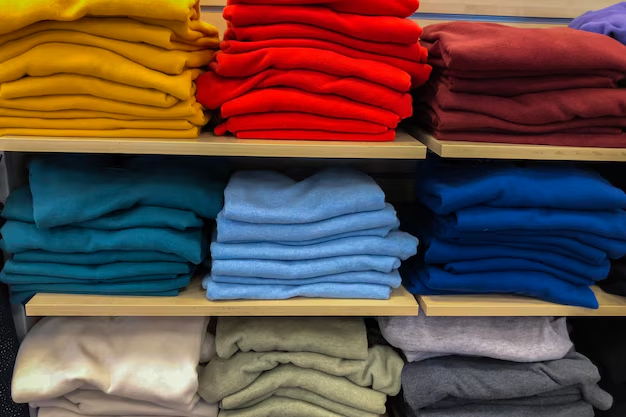
Apparel Manufacturing in Ghana: Why Global Brands Are Choosing Ghana for Garment Production
Global fashion brands are increasingly diversifying their supply chains and exploring new manufacturing destinations. Among the emerging production hubs in Africa, Ghana is gaining recognition as a reliable and competitive location for apparel manufacturing.
With favorable trade agreements, political stability, a young workforce, and improving industrial infrastructure, Ghana offers strong advantages for brands seeking to manufacture garments while maintaining ethical and cost-efficient supply chains.
Companies such as Cyndex Limited are contributing to the growth of the country’s apparel manufacturing industry by supporting international brands with scalable production capacity and export-ready manufacturing processes.
Overview of the Apparel Manufacturing Industry in Ghana
Ghana has a long history in textile and garment production. In recent years, the government and private sector have invested heavily in expanding the country’s apparel manufacturing capacity.
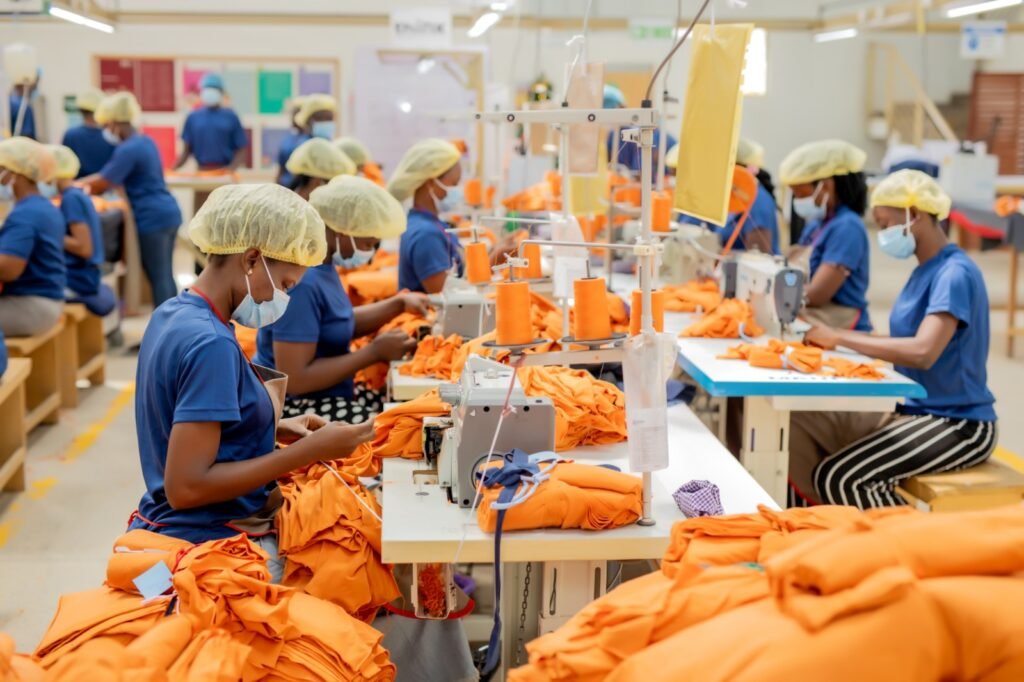
Today, Ghana’s garment industry serves both domestic and international markets, producing a wide range of products including fashion garments, uniforms, promotional apparel, and industrial workwear.
Several factors are accelerating the industry’s growth:
- Expansion of export processing zones
- Increasing private investment in garment factories
- Strong trade agreements with major global markets
- Strategic positioning within Africa’s emerging manufacturing landscape
As global buyers seek alternatives to traditional manufacturing regions, Ghana is becoming an increasingly attractive sourcing destination.
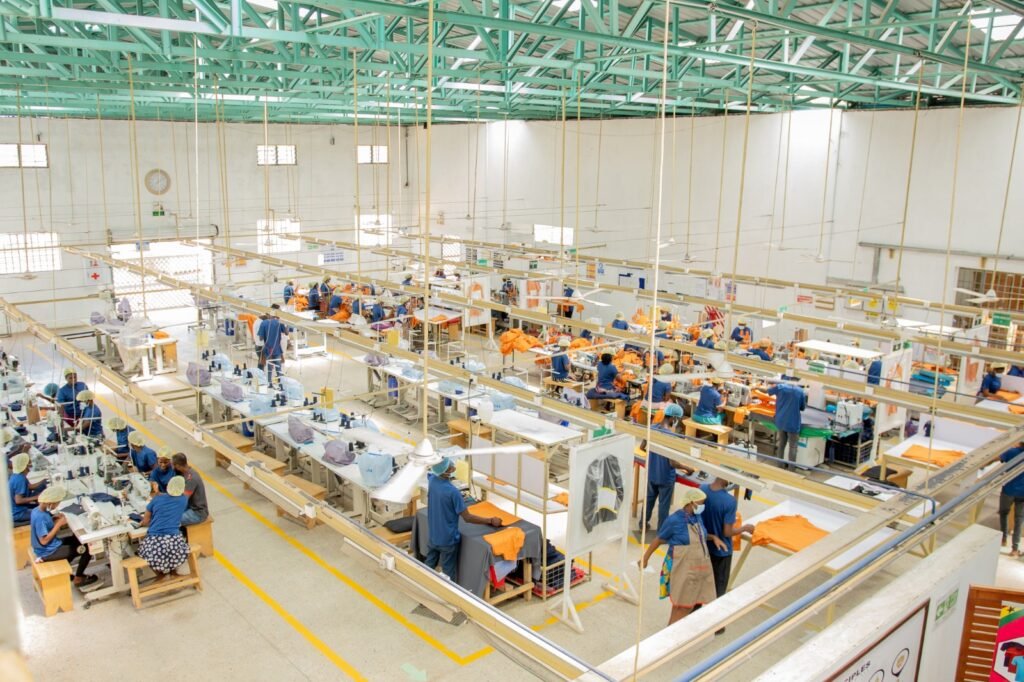
Why Global Brands Are Sourcing Apparel from Ghana
International fashion brands choose manufacturing partners based on several key factors including stability, cost competitiveness, logistics, and market access. Ghana performs strongly across all of these areas.
Political Stability and Strong Business Environment
One of Ghana’s greatest strengths is its stable political environment. The country has built a reputation as one of the most peaceful and democratic nations in Africa.
Key indicators include:
- Over 30 years of peaceful democratic elections
- Strong legal framework and rule of law
- Transparent governance systems that support foreign investment
For international buyers, this stability reduces supply chain risks and creates confidence in long-term manufacturing partnerships.
Trade Agreements That Benefit Apparel Manufacturing
Garments manufactured in Ghana benefit from preferential trade agreements that significantly reduce export tariffs for international buyers.
One of the most important agreements is the
African Growth and Opportunity Act (AGOA), which allows duty-free exports of qualifying garments from Ghana to the United States.
Major trade advantages include:
- Duty-free access to the United States under AGOA
- Duty-free access to the European Union through the Economic Partnership Agreement (EPA)
- UK-Ghana Trade Partnership Agreement
- ECOWAS regional trade framework, enabling duty-free trade across West Africa
These agreements help Ghanaian manufacturers remain highly competitive in global apparel supply chains.
Strategic Location for Global Apparel Logistics
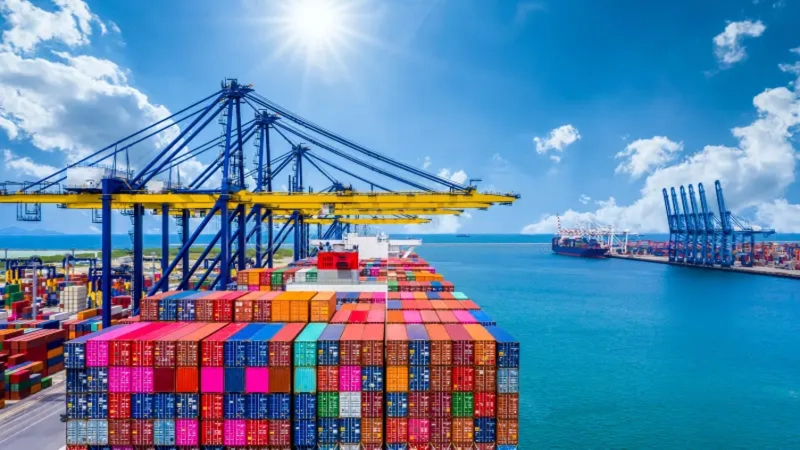
Ghana’s coastal location provides efficient shipping routes to major international markets.
Typical shipping timelines include:
- 14–18 days to the United States
- 14–22 days to Europe
These timelines can be significantly faster than shipments from some Asian or East African production regions. The country’s main seaport, Port of Tema is one of the most advanced ports in West Africa and plays a critical role in supporting apparel exports.
Young and Competitive Workforce
Ghana offers a large and youthful workforce that is well suited for labor-intensive industries such as garment manufacturing.
Labor force advantages include:
- Population of approximately 28 million people
- More than 57% of the population under the age of 25
- Strong English proficiency, simplifying communication with international buyers
This workforce provides the foundation for a growing and competitive apparel manufacturing sector.
Ethical and Responsible Manufacturing
Modern fashion brands are placing greater emphasis on responsible sourcing and sustainable manufacturing practices.
Ghana offers several advantages in this area:
- Strong labor protection laws
- Compliance with international workplace standards
- Increasing focus on environmentally responsible production practices
These factors make Ghana an appealing manufacturing destination for brands that prioritize ethical and transparent supply chains.
Apparel Manufacturing Services Offered by Cyndex Limited
As Ghana’s garment industry grows, manufacturers are expanding their capabilities to serve international brands more effectively.
Cyndex Limited provides apparel manufacturing services designed to support global buyers seeking reliable production in Ghana.
Manufacturing capabilities may include:
- Cut-Make-Trim (CMT) garment production
- Private label clothing manufacturing
- Production of uniforms and workwear
- Support for emerging and independent fashion brands
- Scalable production capacity for export markets
Through these services, the company contributes to Ghana’s role as an emerging apparel manufacturing hub.